



$_SerializerTool.serialize($caption.textValueAsXMLElement, true)
Physician Assistant Program Facilities
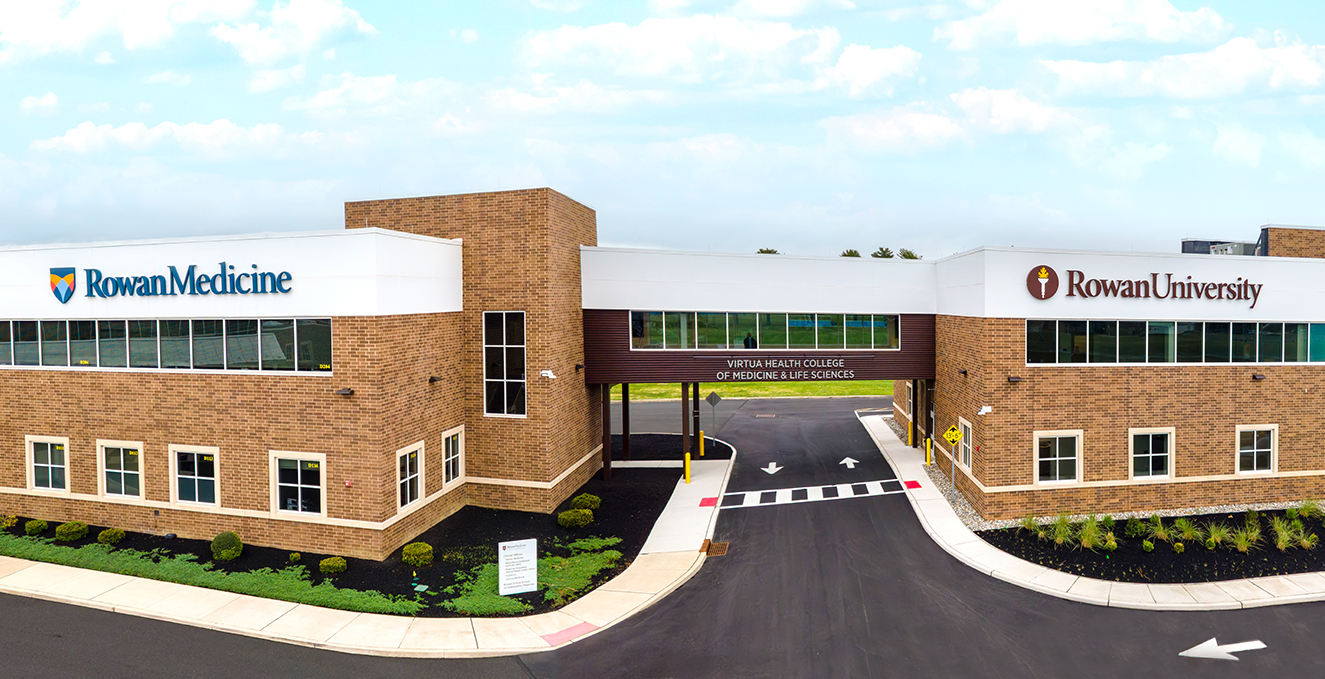
Rowan-Virtua SOM Sewell Campus
The PA Program's sole campus location is the Sewell Campus of Rowan-Virtua SOM, at 1474 Tanyard Road in Sewell, NJ. This modern campus in southern New Jersey offers outstanding facilities, simulation labs and technology that are critical for their education and development as health care professionals. These resources are designed to create a dynamic learning environment where students can gain the skills and confidence needed to excel in their clinical careers.
All essential academic, administrative, and student support services and resources will be fully accessible to PA students and faculty at the Sewell campus.
Facilities
The Rowan-Virtua SOM Sewell campus offers a modern, student-centered environment that supports both academic and extracurricular activities. The facilities are designed to foster collaboration, innovation and hands-on learning, ensuring that students have the resources they need to succeed. Key features include:
- Modern Classrooms and Lecture Halls: Equipped with contemporary audiovisual technology, these spaces facilitate interactive learning and are designed to accommodate both large lectures and smaller, more intimate class settings.
- Student Study and Collaboration Areas: Throughout the campus, there are dedicated spaces for individual study and group collaboration, providing students with the flexibility to work in a setting that best suits their learning style.
- Library and Learning Resource Center: The library at the SOM Sewell campus is a vital hub for academic resources, offering access to a vast collection of medical texts, journals, and online databases. It also features quiet study areas and rooms for group study sessions. Additionally, our students have access to a free, PA Program Library Guide for the SOM Health Sciences Library, which follws the PA Program coursework.
Simulation Center at Sewell
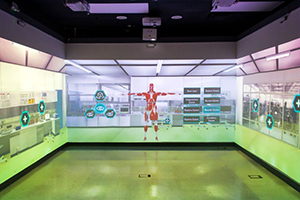 The simulation labs at the Sewell Campus offer PA students an unparalleled opportunity to practice clinical skills in a controlled, realistic environment. These labs are equipped with high-fidelity mannequins, task trainers, and simulation software that mimic real-life patient scenarios, allowing students to gain hands-on experience in a variety of medical situations. Key features include:
- High-fidelity simulation rooms: Eight standardized patient examination suites designed to replicate contemporary outpatient healthcare settings. Each examination room is equipped with electronic medical record access and advanced audiovisual technology that supports observation, recording, assessment, and performance feedback.
- Task trainers and high-fidelity patient simulators: The labs will feature a wide range of task trainers and simulators that allow students to practice specific skills, such as suturing, catheterization, and ultrasound-guided procedures, ensuring they develop the technical competencies required in clinical practice.
- CAE Apollo high-fidelity adult patient simulator: Apollo utilizes an integrated physiological model that automatically responds to learner interventions, allowing students to assess and manage evolving clinical conditions in real time. The simulator supports advanced airway management, bag-valve-mask ventilation, surgical cricothyrotomy, chest tube insertion, trauma care, hemorrhage management, and real-time CPR performance assessment.
- CAE Lucina maternal-fetal simulator: Lucina combines maternal and fetal physiology to recreate both routine and high-risk labor and delivery scenarios, including shoulder dystocia, postpartum hemorrhage, eclampsia, fetal distress, operative vaginal delivery, and neonatal emergencies.
- Gwen, the child who has Down Syndrome manikin: Gwen at SOM is one of only 65 in the US, and the only one in NJ. Created from a real-life 3D body scan of a seven year-old girl who has Down Syndrome, this manikin includes the traits often associated with Trisomy 21 and helps facilitate inclusive training for healthcare professionals.
- Standardized Patient Program: In addition to mannequins and simulators, the program will incorporate standardized patients - trained actors who simulate real patient interactions - providing students with invaluable experience in taking patient histories, conducting physical exams, providing patient education and counseling, and developing bedside manner.
Technology and Resources
The PA program at SOM Sewell integrates modern technology into its curriculum, ensuring that students are proficient in the tools and systems that are essential in current health care settings. Key technological resources include:
- Electronic Medical Records (EMR) Systems: Students are trained in the use of EMR systems, which are integral to patient care management in today’s health care environment. This training ensures that graduates are prepared to enter clinical practice with the ability to navigate and utilize EMR systems effectively.
- Virtual and Augmented Reality Tools: The program utilizes virtual and augmented reality (VR/AR) technologies to enhance anatomical studies, surgical training, and diagnostic simulations, offering immersive learning experiences that bridge the gap between theory and practice.
- Telemedicine Training: Given the growing importance of telehealth, the program includes training in telemedicine platforms, preparing students to provide remote care and consultations.
- Learning Management System (LMS): The PA program leverages a robust LMS (Canvas) that supports online learning and course management. This system allows students to access course materials, submit assignments, and engage in interactive discussions with faculty and peers.