


$_SerializerTool.serialize($caption.textValueAsXMLElement, true)
Research Divisions
The Institute for Brain and Behavioral Sciences facilitates initiatives that cross departmental, college, and campus boundaries. The divisions of the institute engage in research, public outreach and education in the areas of Neurodegenerative Diseases, Cognitive Wellness, Substance Abuse Disorders, Behavioral Biology, Traumatic Brain Injury, and Stress and Anxiety Disorders. Members of The Institute hold faculty appointments at Rowan-Virtua's School of Osteopathic Medicine and School of Translational Biomedical Engineering & Sciences, Rowan University's College of Science & Mathematics and Henry M. Rowan College of Engineering, and Cooper Medical School of Rowan University.
-
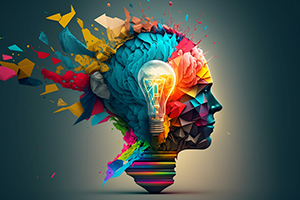 Cognitive Wellness
The purpose of this division is to understand the neural circuits and operations underlying executive functions: attention, problem solving, decision making, working memory and to optimize cognitive function in classroom and workplace settings. New studies of brain function indicate that basic cognitive abilities such as attention, problem solving and guidance of goal-directed, skilled movements are subject to a substantial range of dynamic control across arousal states and behavioral conditions.
-
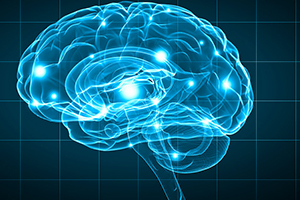 Neurodegenerative Diseases
Neurodegenerative diseases affect cognitive function, sensory signal processing, and movement. This division is focused on understanding the underlying pathology and progression of neurogenerative diseases, specifically, Alzheimer’s, Parkinson’s and Canavan’s diseases. Investigators use animal models to probe dysfunction of the neurotransmitter systems and neural circuits affected by these conditions. Gene therapies and pharmacological treatments are studied as a means of ameliorating the symptoms associated with these disorders.
-
 Substance Abuse Disorders
Through our research, we strive to better understand and treat the problems of drug abuse, including the processes underlying addiction, withdrawal, craving, relapse and reinstatement. Given the problems associated with opiate addiction, clinicians are seeking more controlled methods for pain management and ways to educate health care professionals in safer utilization of these agents. Basic scientists are engaged in studies focused on the mechanisms of drug craving, relapse, and reinstatement of drug use in animal models.
-
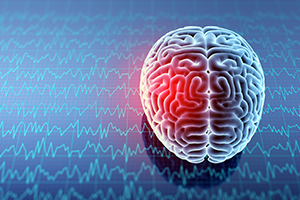 Behavioral Biology
In this division, our goal is to understand the neural substrates underlying adaptive and maladaptive behavior. Investigators utilize neuroanatomical, electrophysiological, neurochemical, genetic and molecular approaches in conjunction with behavioral assays in animal models to uncover mechanisms underlying behavioral outcomes in normal individuals and those compromised by injury or disease.
-
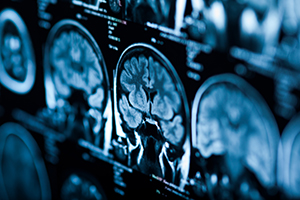 Traumatic Brain Injury
The focus of this division is is to determine the biological bases for the symptoms of traumatic brain injury in humans and animal models and to develop diagnostic tools and treatment strategies for those incurring head trauma from automobile accidents, sports injury, military service or falls.
-
 Stress and Anxiety Disorders
The stress response is a normal physiological reaction to environmental or internal stressors. Chronic or prolonged stress can lead to transient or permanent changes in brain chemistry and physiology that manifest anxiety. Investigators in this division study the effects of chronic stress on neurotransmitter systems and neural circuits that underlie adaptive and maladaptive behavioral responses to stress in experimental animals.